- Core sectors
Industries We Serve
Core Sectors
Specialised Treatment by Industry
A poultry processor’s wastewater has nothing in common with a tannery’s, and a mine’s process water behaves nothing like either. Waste Water Africa builds chemical, mechanical and biological treatment systems matched to the effluent you actually produce, not a generic template.
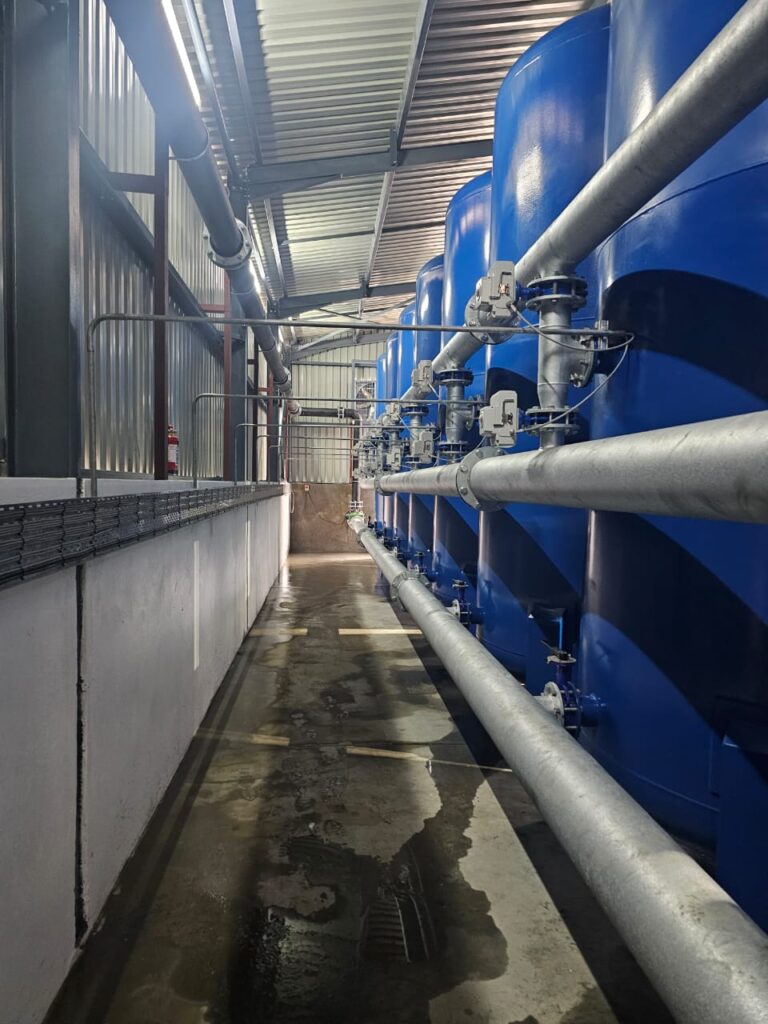
Poultry and Abattoir Wastewater Treatment
Poultry processing and abattoir operations generate effluent loaded with blood, fat, feathers, gut content and wash-down water, pushing COD levels into the thousands of mg/L and overwhelming municipal sewer connections fast. Fats, oils and grease (FOG) are the biggest headache: left untreated, they clog pipework, generate odour complaints and choke biological treatment stages before they’ve even started.
Waste Water Africa designs poultry effluent systems around this reality. Mechanical screening and dissolved air flotation (DAF) strip out solids and FOG at source, chemical dosing conditions the stream for downstream treatment, and biological processes bring COD, ammonia and nutrient levels down to compliant discharge quality, whether that’s a municipal sewer connection or a General/Special limit set by the Department of Water and Sanitation.
Tannery Wastewater Treatment and Chromium Removal
Tanning is one of the toughest effluent streams to treat. Chrome tanning liquors carry trivalent chromium, sulphides from the unhairing process, high chloride and salt loads, and BOD/COD concentrations that make tannery wastewater some of the most heavily regulated industrial discharge in the country. Get chromium removal wrong and you’re not just failing a compliance test, you’re putting a toxic heavy metal into the water system.
We treat tannery effluent as a two-front problem. Chemical precipitation and coagulation pull chromium and sulphides out of the liquor stream before they reach biological treatment, protecting the microbiology that handles the organic load. Mechanical separation manages solids and sludge volumes, which in tanning operations are substantial and need a proper handling plan, not an afterthought.
If you’re running a tannery in South Africa, you already know the scrutiny this industry gets from regulators and communities alike. We build systems that hold up to that scrutiny consistently, not just on inspection day, with chromium recovery options that can cut both your compliance risk and your raw material costs.
Mining Wastewater and Acid Mine Drainage (AMD) Treatment
South Africa’s gold and coal mines discharge an estimated 400 million litres of acid mine drainage a day, a legacy problem that keeps growing as old and active operations alike deal with low-pH water carrying dissolved heavy metals, sulphates and iron. Left untreated, AMD doesn’t just fail a compliance audit, it does lasting damage to rivers and groundwater.
Waste Water Africa treats mine effluent and process water with a combination of chemical neutralisation to correct pH and precipitate metals, mechanical solid-liquid separation to handle the resulting sludge, and biological sulphate reduction where it’s the right fit for your site. We also work with mines looking to recover and reuse process water on-site, which cuts both discharge volumes and fresh water costs, a real advantage given how tightly water use is regulated in mining regions.
Whether you’re managing AMD from a legacy site or process water from an active operation, we design for the water chemistry you actually have, not a textbook case. That’s what keeps mines compliant and keeps operations running without water-related shutdowns.
Real Results
See Our Work in Action
Don’t see your industry? We treat effluent across chemical, mechanical and biological processes for operations we haven’t listed yet — get in touch.